Backcountry Skiing for Beginners: How to Start Safely
By Justin McKelvey · Updated
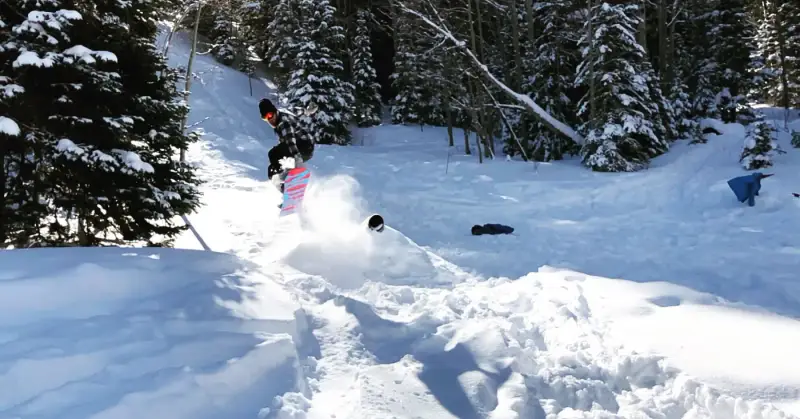
Short answer: start backcountry skiing with avalanche education, not gear. Take a recognized avalanche course, check your local avalanche center's forecast every day you go out, travel only with trained partners, and hire a certified guide for your first trips. Then build a touring setup: skis with touring bindings and climbing skins, plus a beacon, probe, and shovel that you practice with regularly.
What backcountry skiing is
Backcountry skiing means skiing outside the managed boundaries of a ski resort, on terrain that is not patrolled, not groomed, and not controlled for avalanches. Most backcountry skiers earn their turns by climbing uphill on skis with climbing skins attached, then removing the skins and skiing down. The reward is quiet, untracked snow. The trade-off is that you, and the people you travel with, are fully responsible for your safety.
Inside a resort, ski patrol uses explosives, closures, and monitoring to reduce avalanche danger. Outside the boundary, none of that happens. That difference is the most important thing to understand before you go.
Step 1: Get avalanche education
Gear does not prevent avalanches, and it does not make you safe on its own. Knowing how to choose terrain, read conditions, and make group decisions is what keeps people out of avalanches in the first place.
- Take a recognized avalanche course. In the US, look for courses following the AIARE or American Avalanche Association (AAA) curriculum. In Canada, look for Avalanche Canada training courses. An introductory course typically combines classroom learning with field days.
- Learn companion rescue. A rescue course or module teaches how to search with a beacon, probe, and dig efficiently as a team.
- Keep learning. One course is a starting point. Many skiers take refresher and advanced courses as they gain experience.
Step 2: Check the avalanche forecast every day
Regional avalanche centers publish forecasts describing current danger, the avalanche problems to watch for, and where they're most likely. In the US, avalanche.org lists the regional centers. In Canada, use avalanche.ca. Read the forecast before every trip, plan terrain to match it, and be willing to change plans or turn around.
As general education: avalanches commonly release on slopes of roughly 30 to 45 degrees, and runout zones below those slopes can be dangerous too. An avalanche course teaches how to recognize this terrain and how to choose safer routes. Don't rely on a number alone.
Step 3: Travel with trained partners or a guide
- Never go alone. In an avalanche, your partners are your rescue. Help from outside typically can't arrive in time.
- Choose partners with training who carry and practice with the same rescue gear you do.
- Hire a certified guide when starting out. A guided tour lets you learn routes, techniques, and decision-making from a professional before heading out on your own.
Step 4: Build your touring setup
Touring equipment
- Skis and touring bindings: touring bindings let your heel lift for climbing and lock down for descending.
- Climbing skins: strips that attach to your ski bases for grip going uphill.
- Touring boots: boots with a walk mode make climbing more comfortable. Fit still matters most; see how to choose ski boots.
- Poles, ideally adjustable.
Avalanche rescue gear (always, every trip)
Every person in the group carries a transceiver (beacon), probe, and shovel, and knows how to use them. See avalanche safety gear explained.
Clothing and essentials
Layer for big swings in effort: you'll overheat climbing and cool off fast at the top. Bring water, food, a first-aid kit, navigation, a headlamp, and an extra warm layer. The layering basics in what to wear skiing apply, with more emphasis on breathability.
Resort sidecountry and boundary gates
Some resorts have gates that lead from the lift-served area into the backcountry. Stepping through one of these gates takes you into uncontrolled terrain with the same avalanche risks as any other backcountry, even though it's only a short distance from groomed runs. The same rules apply: training, the daily forecast, rescue gear, and trained partners. Respect closures and resort boundary policies, which can carry penalties.
Planning a day in the backcountry
Good backcountry days are planned the night before and adjusted all day. A simple routine many courses teach:
- Read the forecast together. Agree as a group which avalanche problems are listed and which aspects and elevations they affect.
- Pick a route that fits the forecast and the least experienced person in the group, with an easier alternative in mind.
- Set turnaround points and times before you leave, and tell someone outside the group where you're going and when you'll be back.
- Do a beacon check at the trailhead so every transceiver is confirmed sending and receiving.
- Keep talking. Share observations like recent avalanches, cracking, or collapsing snow, and make it easy for anyone to say no.
Common beginner mistakes
- Buying gear before taking a course. Equipment can make people feel safer than they are. Training should come first.
- Following tracks into terrain you haven't evaluated. Someone else's tracks don't mean a slope is safe today.
- Letting a goal override the conditions. Summit fever and tight schedules push groups past warning signs.
- Overdressing for the climb. Sweating through layers on the way up leaves you cold and damp at the top.
- Skipping rescue practice. Searching under stress is much harder than it looks in a parking lot.
How to start, in order
- Get strong and comfortable skiing off-piste and in soft snow inside the resort. See how to ski powder.
- Take an introductory avalanche course and a rescue course.
- Buy or rent rescue gear and practice beacon searches until they feel routine.
- Book a guided tour.
- Start with conservative, low-angle objectives with trained partners, and build experience over seasons.
FAQ
How do I start backcountry skiing safely?
Take a recognized avalanche course (AIARE or AAA in the US, Avalanche Canada courses in Canada), check your local avalanche center forecast every day, travel with trained partners, carry and practice with a beacon, probe, and shovel, and hire a certified guide for your first trips.
Is gear enough to stay safe in the backcountry?
No. A beacon, probe, and shovel help you rescue a buried partner, but they don't prevent avalanches. Education, the daily avalanche forecast, careful terrain choices, and good group decisions are what keep people safe.
Is resort sidecountry safe?
Terrain beyond resort boundary gates is uncontrolled backcountry, not patrolled or managed for avalanches. Treat it like any backcountry trip, with training, the forecast, rescue gear, and trained partners.
What equipment do I need for backcountry skiing?
Skis with touring bindings, climbing skins, touring-friendly boots, and poles, plus an avalanche transceiver, probe, and shovel for every person, along with layers, water, food, first aid, navigation, and a headlamp.