How to Stop on Skis: Wedge, Hockey Stop, and More
By Justin McKelvey · Updated
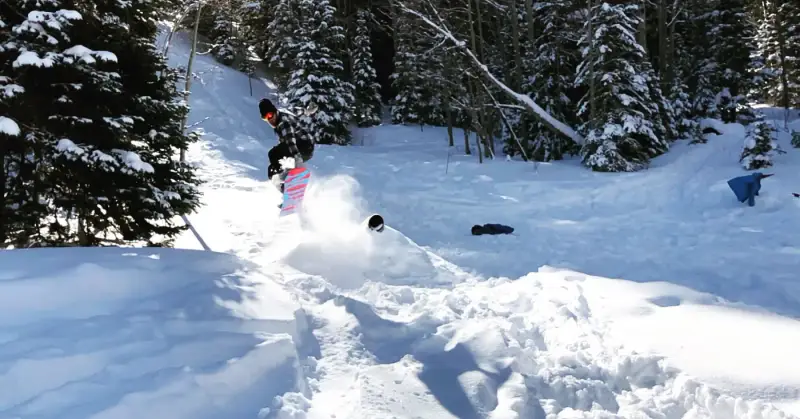
Short answer: beginners stop with a wedge (pizza): point your ski tips together, push your heels apart, and press out until you slow to a stop. As you improve, you'll stop by turning uphill, and eventually with a hockey stop, turning both skis sideways together and digging in your edges.
Why stopping comes first
Being able to stop whenever you want is what makes skiing safe and fun. Every other skill, from turning to riding steeper runs, depends on knowing you can slow down. Practice stopping on a gentle slope until it's automatic before moving to steeper terrain. A lesson will teach these in the right order; see ski lessons for adults.
Method 1: The wedge (pizza) stop
This is the first stop every beginner learns, and it works at slow speeds on gentle terrain.
- Get in an athletic stance: ankles and knees bent, shins pressing lightly into the front of your boots, hands forward.
- Bring your ski tips close together without letting them cross, keeping a small gap.
- Push your heels out so your skis form a wedge, like a slice of pizza.
- Press on the inside edges. A wider wedge and more pressure on the inside edges slows you down more.
- Hold it until you stop. Keep looking ahead, not at your skis.
If your tips cross, you're probably leaning back or letting your knees fall in. Push your heels out instead of pulling your tips together.
Method 2: Turning to a stop
Once you can link wedge turns, the easiest way to stop is to finish a turn and keep turning until your skis point across the hill or slightly uphill. Gravity does the work and you glide to a stop. This is also how you control speed on the way down: finishing each turn across the slope keeps your speed in check.
Method 3: The hockey stop
The hockey stop is a quick, parallel stop used by intermediate and advanced skiers.
- Ski with your skis parallel at a moderate, comfortable speed.
- Twist both skis sideways together by turning your legs and feet, while keeping your upper body facing downhill.
- Tip your knees and ankles uphill so your uphill edges bite into the snow.
- Sink down slightly as you set your edges to absorb the stop.
- Keep your weight centered, not on your heels, so you don't slide out.
Practice on a smooth, gentle blue run first. Start with gradual stops and make them quicker as you get comfortable.
Controlling speed on steeper runs
- Make rounder, more complete turns. The more you finish across the hill, the slower you go.
- Stay forward. Leaning back makes skis accelerate and harder to control.
- Don't fight terrain beyond your level. Check ski trail ratings and stick to runs where you can stop comfortably.
Common mistakes
- Sitting back: the skis run away from you. Press your shins into your boots.
- Looking down at your skis: look where you want to go.
- Stiff legs: keep your knees and ankles flexed so your edges can grip.
- Skis that are too long: beginners stop more easily on shorter skis. Check the ski size chart.
Where and when to stop on the hill
Stop at the side of the run where people above can see you, never just below a ridge, roller, or blind corner. Before you start again, look uphill and yield to skiers coming down. Soft, groomed snow makes stopping easier while you learn, so a day or two after a storm is ideal; see where it's snowing this week.
FAQ
How do beginners stop on skis?
With a wedge, or pizza: point your ski tips together, push your heels apart, and press on the inside edges. A wider wedge slows you down more.
How do you hockey stop on skis?
With your skis parallel, twist both skis sideways together, tip your knees uphill so the edges grip, and sink slightly while keeping your upper body facing downhill.
Why can't I stop on skis?
Usually because you're leaning back, your wedge is too narrow, or the run is too steep for your level. Practice on a gentle slope and keep your shins pressed into your boots.